

The “Big-Boned” Myth: Why Bone Structure Isn’t the Reason for Extra Weight
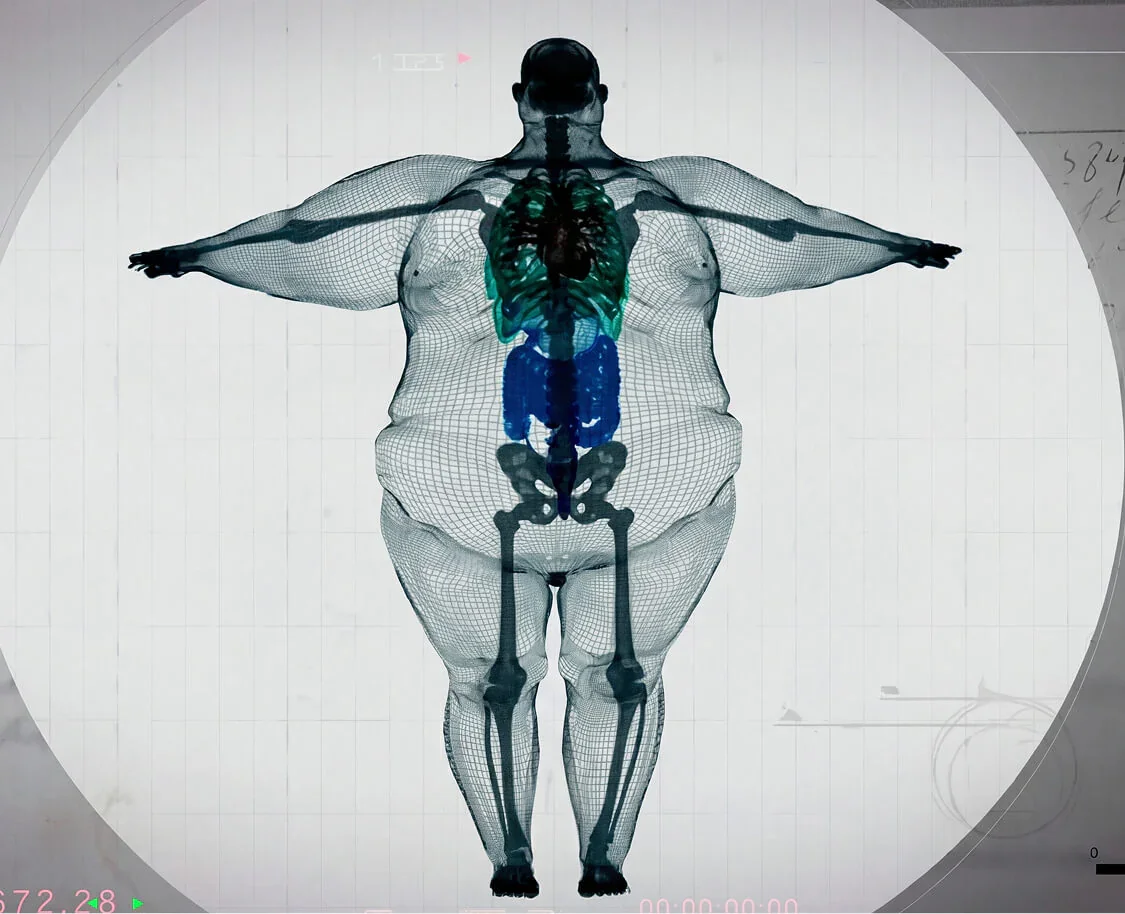
One of the most common explanations I hear when people talk about their weight is this:
“I’m just big boned.”
After 20 years as a personal trainer working with people from ages 8 to 84, I’ve heard it hundreds of times. And to be fair, the idea didn’t come out of nowhere. There are differences in body frame size.
But here’s the important part:
Bone structure has very little impact on body weight compared to body fat.
Let’s unpack where the idea came from and what the science actually says.
Where the “Big-Boned” Idea Came From
Decades ago, insurance companies used height and weight tables to estimate health risk. These tables categorized people into three skeletal frame sizes:
Small frame
Medium frame
Large frame
Frame size was often estimated using things like wrist circumference relative to height, shoulder width, or elbow breadth.
This system recognized something real:
Some people naturally have wider skeletal structures.
Someone with broader shoulders or hips might weigh slightly more than someone with a narrow frame even if both people have similar body fat levels.
But those tables were never meant to determine body composition or diagnose obesity. They were simply rough tools used by insurance companies to estimate life risk.
Over time, the idea of frame size evolved into something much larger than it actually is.
What Being “Big Boned” Actually Means
Medical experts acknowledge that larger skeletal frames exist.
For example, the National Institutes of Health uses wrist measurements relative to height to estimate frame size.
Large frame measurements generally look like this:
Women
Under 5'2": wrist larger than 5.75 inches
5'2"–5'5": wrist larger than 6.25 inches
Over 5'5": wrist larger than 6.5 inches
Men
Over 5'5": wrist larger than 7.5 inches
These measurements simply indicate bone width, not body fat levels.
How Much Weight Do Larger Bones Actually Add?
Here’s where the myth starts to fall apart.
According to family medicine physician Dr. Brenda Banaszynski, larger bones may add a few pounds of body weight, but:
“Larger bones might account for a few pounds of weight but not 30 or 40.”
Even differences in bone density — the mineral concentration in bone tissue — only affect body weight slightly.
In other words:
A larger skeletal frame might explain a small difference on the scale, but it cannot explain significant excess body weight.
Bone Structure Influences Shape — Not Body Fat
Frame size mainly affects things like:
shoulder width
hip width
rib cage width
wrist and ankle circumference
It influences how someone’s body is built, not how much fat the body stores.
Two people can weigh the same but look very different depending on:
muscle mass
fat distribution
frame width
But body fat is what drives most differences in weight.
The Reality Check
If bone structure were the reason for modern obesity rates, human skeletons would have had to dramatically change over the past several decades.
They didn’t.
What did change was our environment:
ultra-processed foods became widely available
daily activity levels dropped
sedentary lifestyles became common
portion sizes increased
Obesity rates in the United States have more than tripled since the 1960s, but human bone structure hasn’t changed during that time.
The Good News
This isn’t about blaming people or shaming anyone for their weight.
It’s actually the opposite.
If weight were determined primarily by bone structure, there would be very little anyone could do about it.
But because body weight is mostly influenced by habits, nutrition, activity, and environment, it means people have the ability to improve their health.
Everyone starts from a different place. Some people build muscle more easily, some people carry weight differently, and some people have broader frames.
But skeleton size isn’t what determines long-term health outcomes.
What I’ve Seen in 20 Years of Training
In two decades of working with clients of all ages and backgrounds, I’ve never seen someone whose skeleton made them overweight.
I’ve seen:
different builds
different genetics
different starting points
But meaningful changes in body weight always came down to the same things:
nutrition habits
physical activity
consistency over time
Those are the factors that actually move the needle.
The Takeaway
Yes, people can have larger or smaller frames.
But being “big boned” explains shape far more than it explains body weight.
When it comes to health, the factors that matter most are the ones we can influence:
how we eat
how we move
how consistently we take care of ourselves
And that’s good news — because those are things we can improve.
